
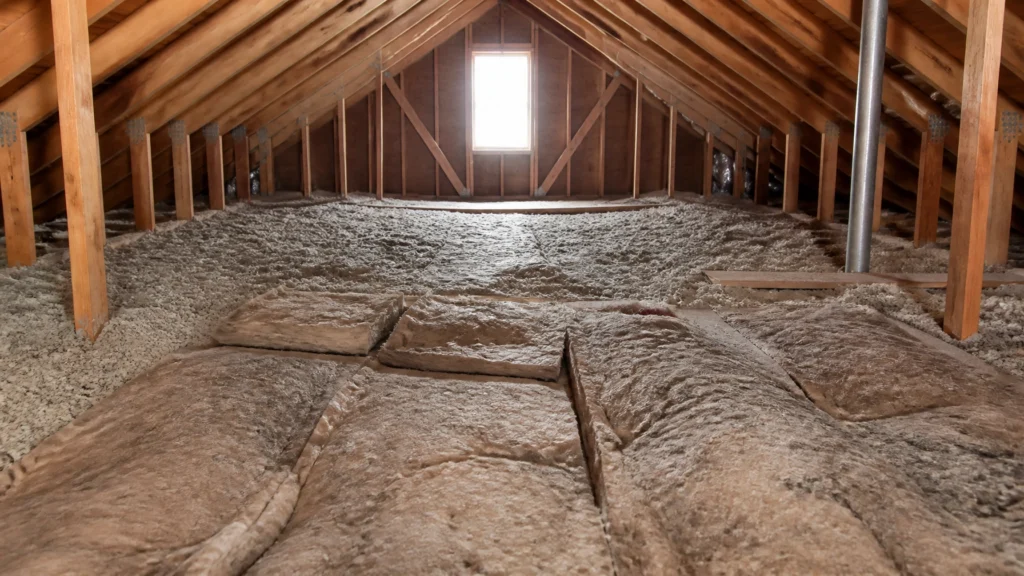
Attic Insulation Removal Dallas, TX: Why Old Insulation Must Go Before Replacing It
Meta description: Need attic insulation removal in Dallas? Learn how old insulation affects air quality, pests, comfort, and energy bills before a clean replacement.
Suggested URL slug: attic-insulation-removal-dallas-tx
If you are searching for attic insulation removal dallas, your home may already be showing warning signs: unusual dust, hot upstairs rooms, cold floors, rodent odors, or higher-than-expected utility bills. In North Texas, attic insulation works hard through 105° summer heat, sudden winter freezes, and fast-changing weather. When insulation becomes damaged, compressed, wet, or contaminated, removing it may be the safest and most effective first step before installing new insulation.
Excellence Home Insulation provides professional insulation removal and replacement throughout the Dallas-Fort Worth Metroplex. Our BPI-certified installers assess the entire attic system: not just the insulation depth: so you receive a tailored plan for improved comfort, energy efficiency, and indoor air quality.
Why Attic Insulation Removal in Dallas Matters
Old attic insulation does more than lose effectiveness. Over the years, it can collect contaminants and hide problems that affect the rest of your home.
1. Old Insulation Can Affect Indoor Air Quality
Attic insulation may collect years of dust, pollen, pet dander, rodent droppings, urine residue, nesting material, and insect debris. These materials do not automatically enter your living space, but air leaks around recessed lights, plumbing penetrations, ductwork, wiring, and attic hatches can create a pathway.
If your home has persistent dust or musty odors, an attic inspection can help determine whether damaged insulation or air leakage is contributing to the problem. Removing contaminated material allows technicians to clean the space, inspect the attic floor, and seal openings before new insulation is installed.
This can be particularly helpful for families in older Dallas homes, including historic properties in Oak Cliff, where insulation, wiring, and air-sealing details may not meet modern standards.
2. Rodents and Insects Often Use Old Insulation as Shelter
Rodents, birds, and insects may use attic insulation as nesting material. They can leave behind droppings, food debris, urine odors, and damaged sections that settle or compress over time.
Insulation removal does not replace pest control. Active wildlife or insect activity should be addressed first. However, removing affected insulation makes it easier to:
- Locate entry points and nesting areas
- Identify moisture or roof leaks
- Remove odor-producing debris
- Coordinate necessary pest-control work
- Seal vulnerable openings before replacement
After the source of the infestation is resolved, a clean attic provides a better foundation for long-term insulation performance.
3. Moisture and Mold Problems Need to Be Found Before Replacement
Wet insulation can lose performance and may contribute to musty odors or microbial growth. Moisture can come from roof leaks, plumbing issues, inadequate ventilation, condensation around ductwork, or air leakage from the conditioned space.
Do not simply cover wet or visibly damaged insulation with new material. Removal gives your contractor an opportunity to investigate the cause. Any active leak or mold concern may require a qualified roofing, plumbing, ventilation, or remediation professional before insulation work continues.
4. Spray Foam Requires a Clean, Exposed Surface
Are you considering spray foam insulation for your attic roofline? Existing loose-fill or batt insulation generally needs to be removed from the roof deck before spray foam is applied. Foam must contact a clean, accessible substrate to adhere properly and create a continuous air seal.
Leaving old insulation in place can obstruct the roof deck, hide framing gaps, and prevent complete coverage. A professional removal followed by substrate preparation helps spray foam perform as designed.
Explore our spray foam insulation services in DFW to learn more about this high-performance upgrade.
When to Remove Insulation: A Homeowner Checklist
Consider scheduling an attic assessment if you notice one or more of these conditions:
- Your attic insulation is visibly wet, moldy, heavily soiled, or deteriorated.
- You see rodent droppings, nesting material, insect debris, or gnaw marks.
- Your home develops persistent attic, urine, or musty odors.
- Rooms are difficult to heat or cool evenly.
- Your upstairs area becomes excessively hot during Dallas summers.
- Your floors or rooms feel unusually cold during winter.
- Your energy bills have increased without a clear change in usage.
- Insulation is compressed, settled, displaced, or missing in sections.
- You are preparing to install spray foam along the roof deck.
- Your attic has old insulation that makes it difficult to inspect wiring, ducts, or roof surfaces.
- You are completing a major renovation or purchasing an older home.
Not every attic requires complete removal. In some homes, adding properly installed insulation may be appropriate. A same-day assessment can help determine whether removal, spot repair, air sealing, or full replacement makes the most sense.

The Attic Insulation Removal Process
A clean, careful process protects your home and prepares the attic for a precise upgrade.
1. Inspection and Recommendations
A certified technician evaluates the existing insulation, attic access, roof deck, ventilation, ductwork, electrical components, moisture conditions, and visible pest activity. You receive clear recommendations based on your home’s construction and goals.
2. Protection and Containment
The crew protects flooring, walls, pathways, and nearby belongings. Access points are managed to limit dust from moving into the living area. Technicians use appropriate protective equipment and removal procedures for the material being handled.
3. Mechanical or Hand Removal
Loose-fill insulation is typically removed with professional vacuum equipment. Batt insulation may require careful hand removal. The material is collected, bagged, and removed from the property rather than left in the attic.
4. Attic Cleaning and Condition Review
Once the insulation is gone, technicians can inspect the exposed attic floor and roof structure more effectively. Depending on the condition and project scope, the next steps may include debris cleanup, odor treatment, pest-control coordination, or recommendations for addressing moisture.
5. Air Sealing
Before installing new insulation, the team seals common leakage points around plumbing, wiring, duct connections, attic hatches, top plates, and other penetrations. Air sealing helps prevent conditioned air from escaping and reduces the movement of attic dust into your home.
6. Replacement and Performance Upgrades
Your replacement may include blown-in insulation, fiberglass, cellulose, or spray foam. For homes that receive intense sun exposure, a radiant barrier system may complement the insulation and air sealing.
This complete-system approach: removal, cleaning, air sealing, replacement, and radiant barrier installation when appropriate: usually provides a stronger result than simply adding another layer over old material.
Choosing the Right Replacement for Your Home
The best insulation depends on your attic design, budget, access, HVAC layout, and comfort priorities.
- Spray foam: A strong option for roofline applications and air sealing when installed on a properly prepared surface.
- Blown-in fiberglass: Provides even coverage across attic floors and hard-to-reach areas.
- Cellulose: A practical option for homeowners seeking an efficient, fiber-based insulation material.
- Fiberglass batts: Useful in accessible, regularly shaped cavities when installed without gaps or compression.
- Radiant barrier: Helps reflect attic radiant heat and is especially relevant to sun-exposed North Texas roofs.
Excellence Home Insulation uses premium materials from trusted manufacturers, including Johns Manville, CertainTeed, and FI Foil. Where appropriate, we offer GREENGUARD Indoor Air Quality Certified products designed to support cleaner indoor environments.
What Does Attic Insulation Removal Cost in Dallas?
The cost depends on attic size, insulation type and depth, access, contamination, disposal requirements, cleaning, air sealing, and the replacement system selected. A straightforward removal and replacement may take about one to two days, while projects involving pest activity, moisture repairs, difficult access, or extensive air sealing can take longer.
Be cautious of quotes that only include vacuum removal but exclude cleanup, disposal, air sealing, or replacement details. Ask for an itemized scope so you can compare the complete value: not just the starting price.
A properly designed upgrade may reduce heating and cooling demand and improve comfort. Depending on the home, existing conditions, and energy use, homeowners may save up to 40% on energy bills, with potential annual savings of approximately $600–$1,200. Actual results vary by house, HVAC efficiency, thermostat settings, and utility rates.

Professional Attic Insulation Removal Across DFW
Excellence Home Insulation has more than 15 years of experience and over 2,500 completed projects. We are licensed and insured, and our BPI-certified installers understand the specific demands of North Texas construction and climate.
We serve homeowners and businesses in:
- Dallas County
- Collin County
- Kaufman County
- Ellis County
- Tarrant County
Our service area includes Dallas, Fort Worth, Frisco, McKinney, Plano, Allen, Prosper, Celina, Denton, Arlington, Garland, and Irving. Whether you are upgrading a newer home in Plano or addressing old insulation in an established Dallas neighborhood, we provide practical recommendations and clean, professional service.
Frequently Asked Questions
Can I install new insulation over old insulation?
Sometimes, but not when the existing material is wet, contaminated, severely compressed, pest-damaged, or blocking the surface needed for spray foam. An inspection is the best way to determine whether removal is necessary.
Should pest control happen before insulation removal?
Yes. Active rodents or wildlife should be addressed before cleanup and replacement. Your insulation contractor can help identify entry points and coordinate with a qualified pest-control provider when needed.
Will insulation removal make my house dusty?
Professional crews use containment, protective equipment, and commercial removal equipment to control dust. Your contractor should explain how pathways, HVAC components, and living areas will be protected.
How quickly can the work begin?
Excellence Home Insulation offers same-day assessments. Most standard removal and replacement projects can be completed efficiently, often within one or two days, depending on the scope.
Schedule Your Dallas Attic Insulation Assessment
If your home is dusty, uncomfortable, pest-contaminated, or expensive to heat and cool, the solution may begin above your ceiling. Professional attic insulation removal dallas homeowners can trust helps expose hidden problems and creates a clean foundation for air sealing, replacement insulation, and radiant barrier improvements.
Request your free estimate from Excellence Home Insulation or call (972) 552-0200 to schedule your assessment. Discover a cleaner, more comfortable, and more energy-efficient home with a tailored attic insulation plan.


