
Rats in the Attic: Why Winter Sends Rodents Into DFW Homes and What It Means for Your Insulation
Meta description: Rats in DFW attics can damage wiring and contaminate insulation. Learn safe pest control, insulation removal, air sealing and replacement steps today.
Suggested URL slug: /rats-in-attic-winter-dfw-insulation/
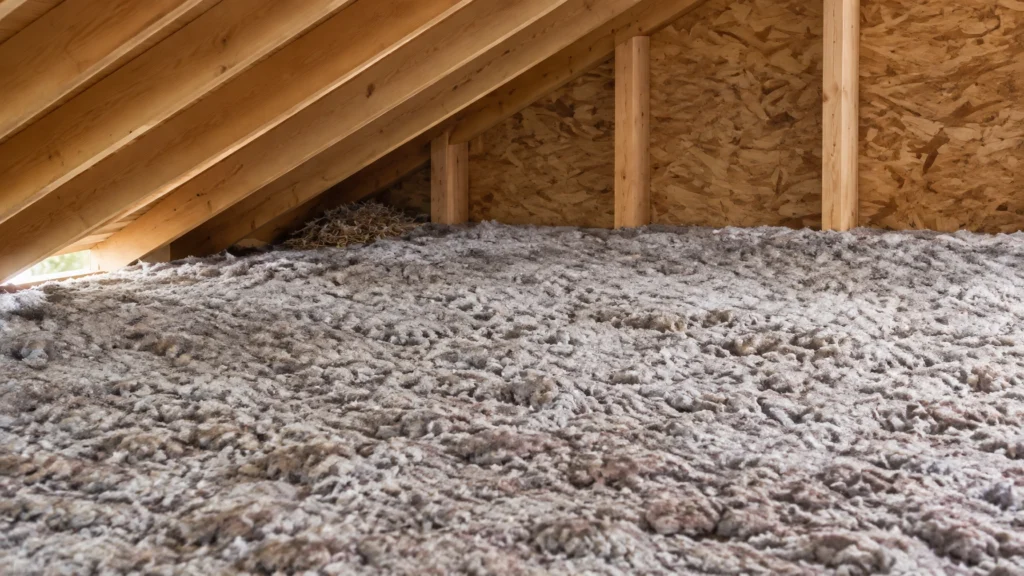
As cooler weather arrives, attic insulation Dallas homeowners rely on can become nesting material for rodents looking for shelter. From October through February, hard freezes and ice storms can drive rats and mice toward the warmth and protection of North Texas homes. If you hear scratching overhead or find signs of activity in the attic, it may be more than a pest problem: contaminated or disturbed insulation can affect comfort, energy performance and indoor air quality.
Why rodents move into DFW attics in winter
Attics offer a quiet place to nest, protection from predators and access to materials rodents can shred for bedding. Insulation provides a particularly appealing nesting environment. Homes can also offer easy access to food and water through kitchens, garages and pet-food storage areas.
Rodents may be active year-round, but cold weather can make activity inside homes more noticeable. Roof rats are nimble climbers, while other rats and mice may enter at lower levels and move through wall cavities. In Dallas, Fort Worth and communities such as Frisco, McKinney, Plano, Allen, Prosper, Celina, Denton, Arlington, Garland and Irving, nearby trees, roof features and gaps around utility lines can all contribute to access.
How rats get inside an attic
Rodents can use small openings and may gnaw to enlarge them. A quarter-inch gap is enough for mice; rats generally need a larger opening, but a small defect can be the start of a bigger route. The EPA’s pest-entry guidance recommends inspecting and sealing potential entry points.
Check for gaps around:
- Soffits, roof returns, fascia and roof edges
- Roof vents that lack intact screens
- Plumbing, wiring and HVAC penetrations
- Damaged door or garage weatherstripping
- Areas where tree branches touch or overhang the roofline
Keep required attic ventilation clear when making repairs. A pest-control professional can help identify active routes; air sealing contractors can address gaps as part of a broader home-insulation project.

Warning signs of a rodent infestation
Listen and look for changes, especially after dark. Common clues include:
- Scratching or scurrying sounds in ceilings or walls
- Dark pellet-shaped rat droppings in attic spaces
- Shredded, tunneled or compressed insulation
- Chewed wood, stored items or electrical wiring
- Dark rub marks along beams and travel paths
- A persistent ammonia-like urine odor
Chewed wiring is a potential fire hazard. If you find damaged electrical cables, avoid handling them and arrange for a qualified electrician to inspect them.
Why contaminated insulation should not be ignored
Droppings, urine, nesting materials and carcasses can contaminate attic insulation. Rodents can also displace or compress insulation, reducing its effective performance and leaving uneven coverage. That can make rooms harder to keep comfortable through North Texas temperature swings.
Contaminated materials may affect indoor air quality, especially if dust is disturbed or air moves from the attic into living areas. Rodent waste can carry pathogens; the CDC’s cleanup guidance warns against dry sweeping or vacuuming droppings because it can put contaminated particles into the air. Hantavirus is a serious but uncommon concern, and the presence of droppings does not mean someone will become ill. Still, avoid disturbing waste and seek professional help for significant contamination.
The right order: pest control, removal and replacement
A lasting solution takes more than trapping a rodent or laying new insulation over a nest. Follow a coordinated sequence:
- Clear the active infestation first. Contact a pest-control professional to assess activity and recommend trapping or other appropriate control. Don’t seal an entry route while animals may still be inside; they could become trapped or chew another exit.
- Close access points after control. Repair screens and use suitable rodent-resistant materials around openings. Air sealing and rodent proofing can overlap, but materials and repairs should suit the location and preserve required ventilation.
- Remove contaminated insulation safely. Don’t dry-sweep or vacuum droppings, nests or dusty insulation yourself. Professional attic insulation removal can use appropriate protective equipment and containment for the conditions.
- Clean, inspect and replace. Once the source is addressed and the attic is ready, install suitable new insulation. Have an electrician assess damaged wiring before covering affected areas.
- Consider the complete system. The Removal + Replacement + Air Sealing + Radiant Barrier approach addresses contaminated material, comfort and energy performance together. A radiant barrier may help manage summer heat gain, but it does not replace pest control or entry-point repairs.

Don’t simply trap rodents and leave contaminated insulation in place. Don’t install new insulation over damaged or dirty material. The CDC explains safe rodent cleanup; extensive contamination is best assessed by qualified professionals.
How Excellence Home Insulation can help
After pest issues have been resolved, Excellence Home Insulation can assess damaged attic insulation and recommend tailored removal and replacement options. Our team brings more than 15 years of experience and over 2,500 completed projects to DFW homes. BPI-certified installers can assess insulation needs and discuss air sealing as part of a coordinated attic upgrade. Same-day assessments may be available.
Explore our attic insulation services and attic insulation removal guide to learn more.

Frequently asked questions
Should I seal the hole if I hear rats in the attic?
Not before the active infestation is addressed. Contact pest control first, then seal confirmed entry points to avoid trapping animals inside.
Can I vacuum rat droppings from insulation?
No. Dry vacuuming can spread contaminated particles into the air. Keep people and pets away from the area, and follow the CDC’s rodent cleanup recommendations.
Does insulation need to be replaced after rats get in?
It depends on the extent of contamination and damage. Insulation that is soiled, nested in, compressed or otherwise damaged may need removal and replacement. A professional assessment can help determine the scope.
Protect your attic before winter
If you hear movement overhead or find signs of a rodent infestation, address the pest problem first. Then have the attic assessed for contaminated material, damaged insulation and air leaks. Attic insulation Dallas homeowners can count on should be clean, properly installed and part of a plan that helps protect comfort and energy performance. Request a free insulation estimate or assessment from Excellence Home Insulation once pest control has cleared the active infestation.


